Lightweight roofing, especially sheet metal roofing, enjoys unflagging popularity among both home owners and roofers. These type of solutions offers a favourable value for money, as well as a good aesthetic appearance. What gives lightweight roofing such a good reputation? Let’s analyse its main advantages and disadvantages.
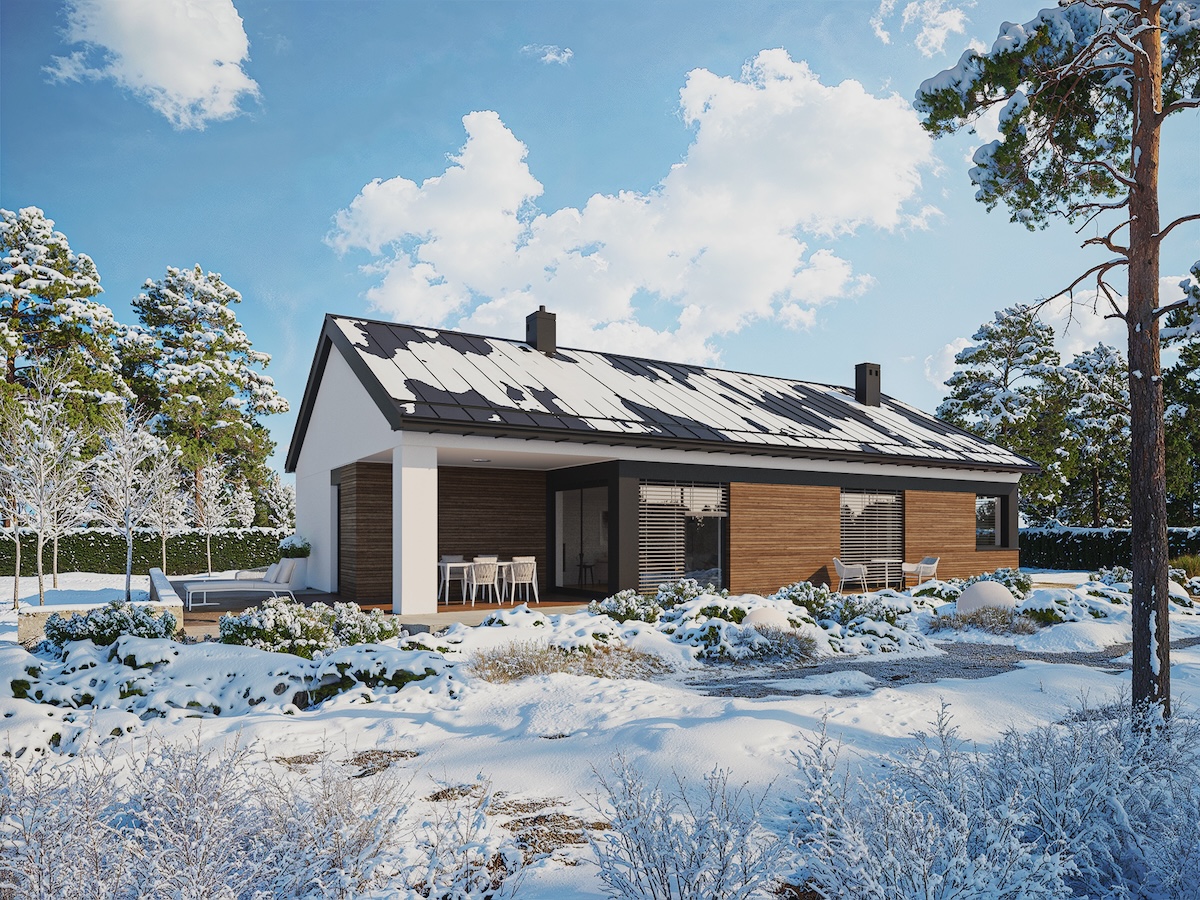
Lightweight roofing, especially roofing made of steel, is commonly used in residential buildings. Zinc-coated steel provides excellent protection against corrosion, and the quality of the steel and the thickness of the zinc coating have a key impact on the durability of the roof. Lightweight roofing weighs on average approximately 5 kg/m², which makes it perfect for both new and renovated buildings. Thanks to its low weight, lightweight roofing does not burden the structure and can even be used on buildings with a more delicate design.
One of the key elements to consider when choosing lightweight roofing is its shape and aesthetics. For investors who value modern architecture, a standing seam panel is a great option. This solution fits perfectly with minimalist designs, where the roof blends in perfectly with the façade. Standing seam panels can have different finishes, such as a smooth surface or micro wave structure, which allows you to adjust the roofing to your individual preferences.
On the other hand, tile effect roof sheets are also available for lovers of traditional solutions, which are ideal for classical architecture. Often chosen for hipped and pitched roofs, tile effect roof sheets offer a rich choice of shapes and colours. Thanks to the wide eaves, they protect the walls of the building from water, and their availability in various finish options allows for an aesthetic fit to any building.
The durability of a lightweight roof largely depends on the quality of the materials from which it is made. Reputable manufacturers, such as SSAB, offer high-grade steel that has undergone rigorous testing. High-quality steel coverings can last up to several decades, which is confirmed by long guarantees – up to 50 years. Such durability makes lightweight roofing an investment for years.
Transporting materials to the construction site can be problematic, especially when access to the site is difficult. Lightweight roofing, such as modular tile effect roof sheets, solves this problem. Thanks to their small dimensions and low weight (approx. 5 kg/m²), tile effect roof sheets are easy to transport and install even in difficult conditions. As a standard, a single pallet provides as much as 150 m² of coverage, which facilitates logistics and optimises the costs of transport.
Additionally, the installation of the lightweight roofing is simple and quick. Modular tile effect roof sheets are mounted on a standard wooden grate, and thanks to their symmetrical structure they can be laid in any direction, minimising material waste.
One of the potential drawbacks of lightweight roofing is its poor sound insulation. The sound of falling rain may be more audible compared to heavier materials such as ceramic tiles. Fortunately, there are ways to soundproof the roof. The use of appropriate thermal insulation or soundproofing materials significantly reduces noise, ensuring comfort of use.
Lightweight roofing is a modern, durable and aesthetic solution which is gaining popularity thanks to its advantages. Regardless of whether the project owner chooses a standing seam panel for modern projects or tile effect roof sheets for more traditional buildings, lightweight roofing is an ideal choice for people searching for functionality, aesthetics, and durability for many years.
Lekkie pokrycie dachowe to rodzaj dachu wykonanego z materiałów o niskiej wadze, takich jak blachy stalowe z powłoką ochronną, które ważą około 5 kg/m² i są stosowane zarówno w nowych, jak i remontowanych budynkach.
Do głównych zalet lekkiego pokrycia dachowego należą korzystny stosunek jakości do ceny, estetyczny wygląd, niska waga nieobciążająca konstrukcji budynku oraz łatwość transportu i montażu.
Dostępne są m.in. panele na rąbek stojący, które pasują do nowoczesnej architektury, oraz blachodachówki o efekcie dachówki, które sprawdzą się w tradycyjnych projektach, oferując różnorodne kształty i kolory.
Trwałość lekkiego pokrycia dachowego zależy od jakości materiałów, ale wysokiej klasy stal może wytrzymać nawet kilka dekad, co potwierdzają gwarancje sięgające do 50 lat.
Nie, lekkie pokrycie dachowe jest łatwe i szybkie w montażu. Modułowe blachodachówki można układać na standardowej drewnianej łacie w dowolnym kierunku, co minimalizuje odpady materiałowe.
Lekkie pokrycie dachowe może mieć słabszą izolację akustyczną, przez co dźwięk padającego deszczu jest bardziej słyszalny, jednak zastosowanie odpowiedniej izolacji termicznej i dźwiękochłonnej znacząco poprawia komfort akustyczny.